
"washed Ethiopian beans"
2000 article(s) found

Ethiopian Coffee beans | Ethiopian Coffee producing areas | Yilu Babo, Rosa Village
Professional coffee knowledge exchange more coffee bean information please follow the coffee workshop (Wechat official account cafe_style) Ethiopian coffee beans rose summer village garden No. 13 Iru Babo washing Ethiopia Gesha Village Coffee Estate Illubabor Wash production area SNNPR Region Banchmaji (Bench Maji Zone) Gori Gesha Fores
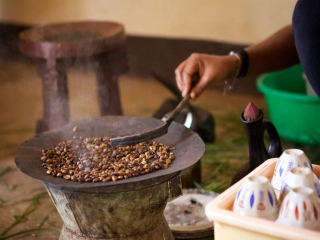
The characteristic Culture of Ethiopian Coffee an introduction to the Flavor characteristics of Coffee beans from France and Ethiopia
Ethiopia (Ethiopia) is one of the leading producers of Arabian coffee beans on long and short Island, producing the best Arab mocha beans in the world. It is said that coffee beans were first discovered by shepherds in the Kafa region of Ethiopia, and the name of coffee evolved from Kafa, so Ethiopia is still coffee.

Introduction to the characteristics, flavor and taste of Ethiopian coffee beans
Professional coffee knowledge exchange more coffee bean information please follow Coffee Workshop (Wechat official account cafe_style) Street Coffee-Ethiopian Coffee Brand introduction Ethiopia is known as the cradle of human beings. Legend has it that coffee was discovered by an Ethiopian shepherd named Kaldi, who became extremely energetic after eating a bright red berry and discovered coffee.

The hometown of Ethiopian Arabica Coffee the grade of Ethiopian coffee
Professional coffee knowledge exchange more coffee bean information Please pay attention to the coffee workshop (Wechat official account cafe_style) afraid of insomnia, palpitations, drink decaf coffee is healthier? Are you worried about palpitations, insomnia, or switching to decaffeinated coffee because of pregnancy? When drinking coffee, you want to consume less caffeine, which is actually similar to the variety of coffee beans and the size of grinding particles.

Introduction of Sidamo coffee beans growing in Ethiopia's southernmost Ethiopian plateau
Sidamo / Solar, Natural drying or washing (Sundried or Nature Dry-Processed and Washed) grows in the southernmost Ethiopian Plateau between 4600 and 7200 feet above sea level (Sidamo Province), southeast of Jima, just south of the capital, usually sweet and more popular, its annual output is about 225000bags/60kg, the bean body is smaller and greener than Longberry.

Ethiopian coffee brands recommend Ethiopian coffee beans how to buy Ethiopian coffee prices
Professional coffee knowledge exchange more coffee bean information please follow the coffee workshop (Wechat official account cafe_style) Ethiopia is known as the birthplace of coffee, it is a local custom, no matter how poor people's homes, they must have a coffee pot and a charcoal stove, why? Because coffee is something that local people think they have to make every day.
Ethiopian Coffee Bean Story-relationship between Ethiopian Coffee Bean grading and defect rate
Professional coffee knowledge exchange more coffee bean information please follow the coffee workshop (Wechat official account cafe_style) in all the coffee producing areas, the most familiar is Ethiopia, because this is the recognized birthplace of coffee. At first, coffee fruit was regarded as a fruit rather than a drink. Ethiopian coffee beans taste very diverse, from oranges and flowers
Ethiopian Coffee Culture the Development of Ethiopian Coffee
Ethiopian Coffee has a long History Ethiopian Coffee has a very important history and culture the highest grades of Ethiopian coffee Yega Xuefei G1 G2 Sidamo (Yirgacheffe, Sidamo) are grade 2 and 3 (G2, G3), while sun-processed coffee in eastern Ethiopia is mostly grade 4 or 5 (G4, G5). In many cases, level four coffee is marked as level five.
Ethiopian coffee treated with water to introduce boutique coffee
Ethiopian sun beans are generally G3--G5, but they are G2 (I will open a new post for Ethiopian coffee beans), which is equal to the grade of washed beans. Although there are still a few defective beans, they are commendable compared to the sun beans of Harald and Sidamo. This bean is baked before the second explosion, and is brewed by hand and siphon. When grinding the beans, you can smell the sweet aroma of the sun.

Ethiopian Coffee Flavor and taste Flavor Manor introduces boutique coffee beans
Due to different processing methods, coffee can be divided into washed coffee (Washed coffee) and sun-cured coffee (Sun-dried coffee). Washed coffee accounts for 35% of exports. Good quality washed coffee is processed with freshly picked fully ripe fruit, picked carefully and closely monitored by professionals. The clean coffee beans picked up will be pulped on the day of picking.

Ethiopian single bean producing area introduces how to brew Ethiopian single bean.
Professional baristas please pay attention to the coffee workshop (Wechat official account cafe_style) washed coffee accounts for 35% of exports. Good quality washed coffee is processed with freshly picked fully ripe fruit, picked carefully and closely monitored by professionals. The picked clean coffee beans are pulped on the day of picking, then fermented, washed, dried and peeled. Processed

Introduction to the flavor description treatment method of Shaqiso producing area of Ethiopian coffee beans
The flavor description method of Ethiopian coffee beans in Shaqiso production area introduces that the stability of Ethiopian water-washed beans is much better than that of sun-dried beans, and the flavor of the latter fluctuates greatly every year, so be sure to test it several times before buying it in large quantities. If you buy good sun-dried beans, their flavor is much deeper than washed beans, but if you buy improperly handled sun-dried beans, it will certainly make people speechless, which is a lot of

Ethiopian coffee flavor Ethiopian coffee characteristics Ethiopian coffee taste
Ethiopia has unique natural conditions suitable for growing all imaginable varieties of coffee. As a upland crop, Ethiopian coffee beans are mainly grown in areas between 1100 and 2300 meters above sea level, roughly distributed in southern Ethiopia. Deep soil, well drained soil, weakly acidic soil, laterite and soil are soft and contain

Ethiopian washed Sidamo G1 shakisso coffee beans Flavor characteristics, producing areas and brewing parameters
Professional barista communication please pay attention to coffee workshop (Weixin Official Accounts cafe_style )[Plant introduction] Shakisso (Shakisso) is located in Sidama's Guji production area, south of Oromia area, close to Sidama and Gedeo. There are many pits in this area, which were used for gold mining in the early days, so there are many pits in this coffee growing area.

The citrus flavor can be called the best Ethiopian coffee in the world.
Even the official research unit of Ethiopia does not know how many Arabica subspecies there are in Ethiopia. The coffee cooperatives in this mountain are certainly different from those planted in another mountain, and even small farmers in the same region grow different varieties of coffee. It has been estimated that there are at least 2000 varieties of Ethiopian coffee and even more than 4500 kinds of coffee. Compared to the southern neighbor Ken

Sidamo coffee beans wash Sidamo boutique coffee beans Ethiopian plateau and other places
Ethiopia is the hometown of Arabica coffee, and it is in the forests of Kaffa that you can see wild Arabica coffee. In Ethiopian, coffee is called Bun or Buna, and coffee beans (coffeebean) may be translated from Kaffa Bun. Arabica coffee was discovered early in the Harar area and is likely to come.

Unique Ethiopian Coffee Estate Boutique Coffee Bean Cultivation Location Climate Sea
Ethiopia is home to Arabica coffee, and it is in the forests of the Ethiopian Kaffa region that you can see Arabica coffee growing wild. In Ethiopian, coffee is called Bun or Buna, and coffeebean may be translated from Kaffa Bun. Arabica coffee was discovered early in the Harar area and is likely to come

The refreshing character of Ethiopian Sidamoth Manor Coffee Flavor Description Roast degree processing
Washed coffee flavor is less likely to have wild flavor, with pure, refreshing characteristics, suitable for City to Full City roasting degree; some excellent Ethiopian washed coffee beans, sometimes can be perceived as obvious lemon, citrus essential oils, jasmine flowers, honey flavor, sour more obvious, mellow feeling thin

Comparison of characteristics and taste of Ethiopian coffee beans how to drink Ethiopian coffee beans
Professional coffee knowledge exchange more coffee bean information please pay attention to the coffee workshop (Wechat official account cafe_style) Essex coffee beans in the large particles and small particles in the flavor difference? In order to verify this problem, the editor decided to pick two sets directly and compare them. Take the washing of Sidamo G1 as an example, the coffee beans with obvious differences in size are selected and the same cooking parameters are used.
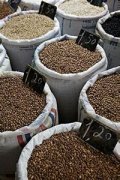
The origin and development of Ethiopian fine coffee beans
Ethiopian coffee beans